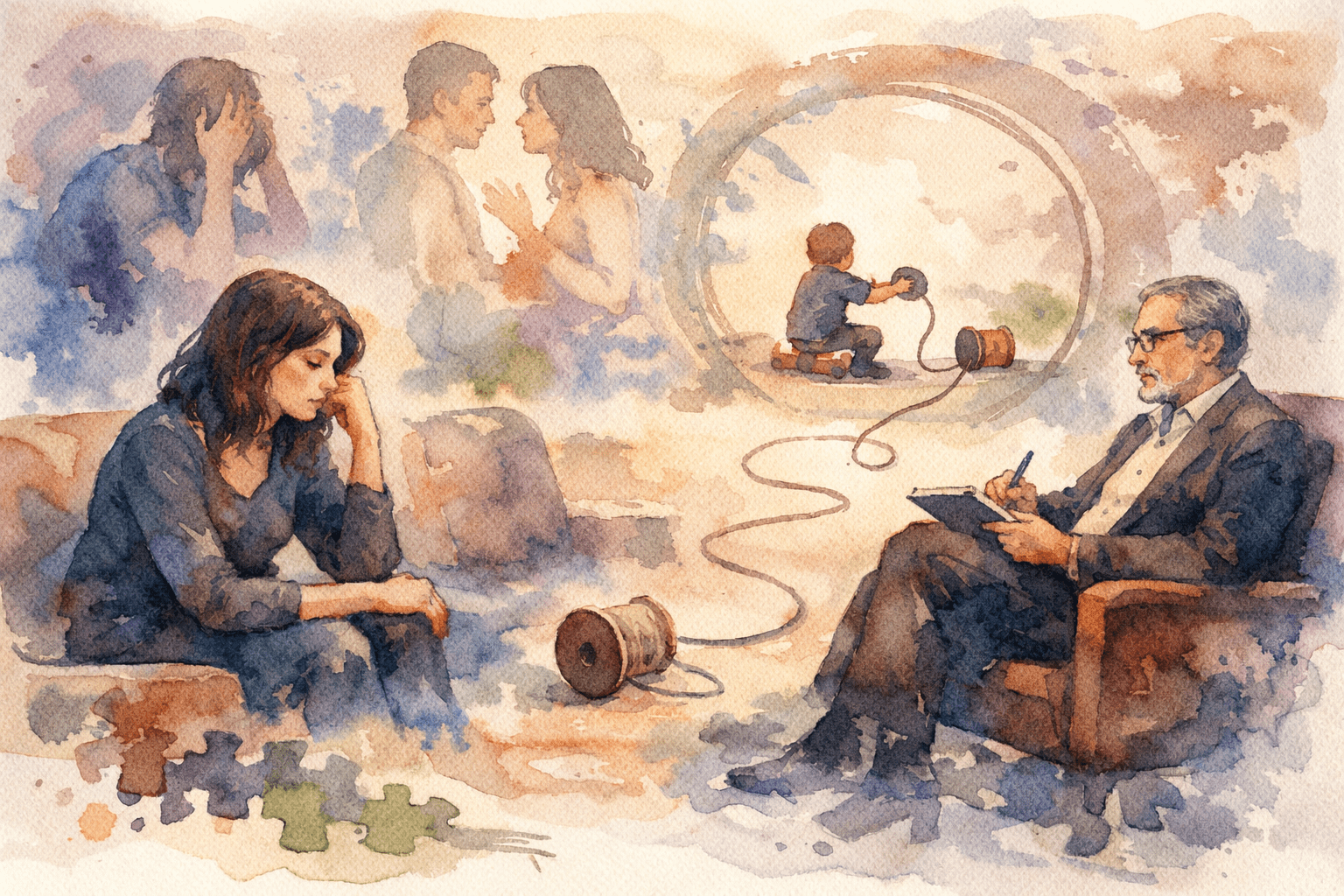
Loneliness in Midlife: Why It Happens and What It Means

Maybe you’ve heard the stereotype. In therapy, you lie on a couch. The therapist stays silent. You talk, they nod, and that’s… therapy?
That image—cold, distant, outdated—is still floating around. And it turns a lot of people off, especially those looking for a real connection in therapy.
But the truth is, relational psychodynamic therapy is nothing like that. It’s modern. It’s warm. And it’s built on a real relationship with your therapist—one that helps you feel seen, supported, and changed from the inside out.
At Bay Psychology Group in Oakland, this is the heart of our work.
Relational psychodynamic therapy is a depth-oriented approach that focuses not just on your symptoms—but on your experience of relationships, identity, and emotion.
It’s called “relational” because the relationship you have with your therapist is central. Not just something that supports the work—it is the work.
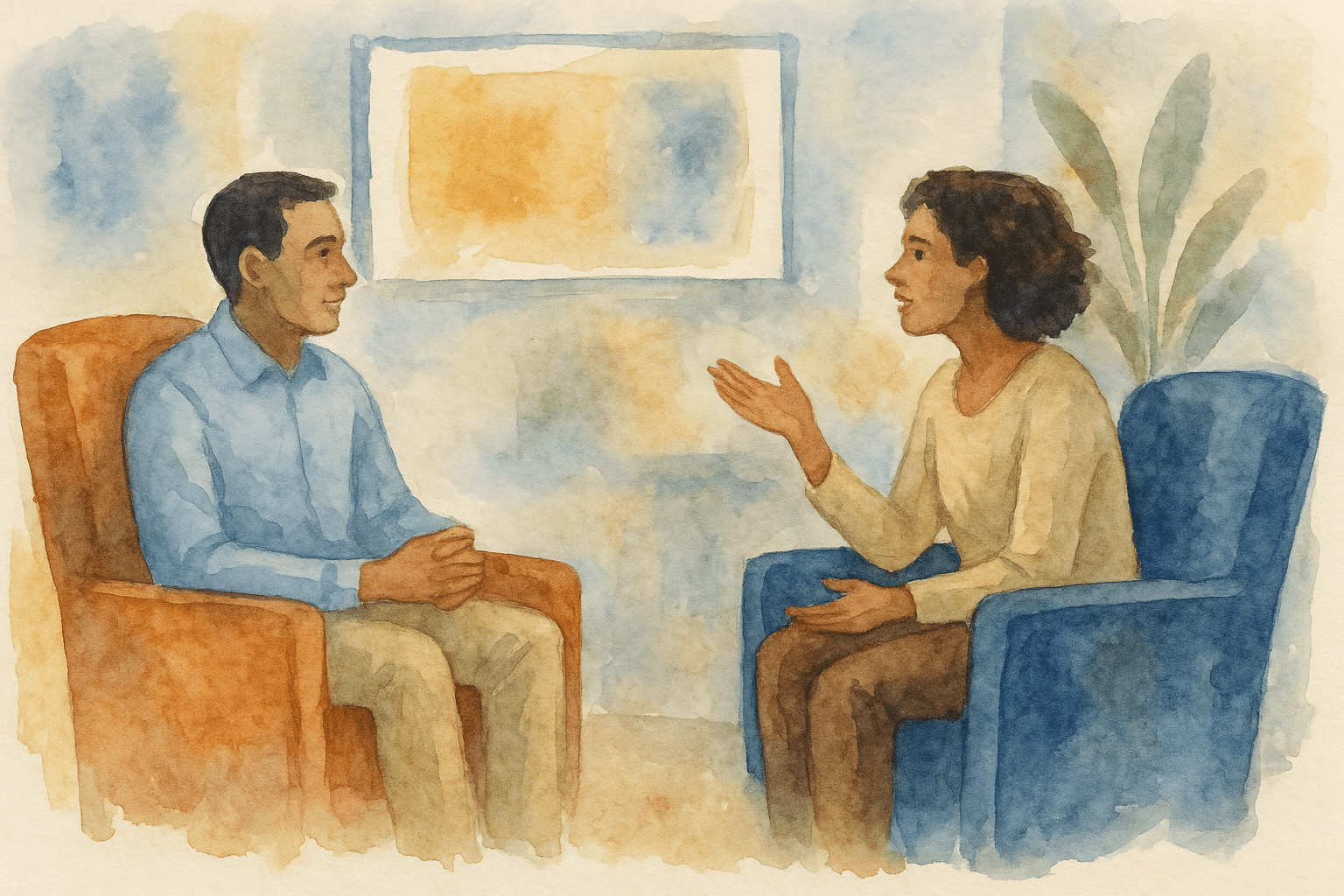
This form of therapy isn’t rigid or silent. Your therapist is an engaged, responsive human being. They’ll notice what’s happening between you and bring it into the conversation—gently, thoughtfully, and with care.
People come to relational therapy in Oakland when they:
This is not therapy that focuses only on quick fixes. It’s therapy that feels—therapy that allows the complexity of who you are to emerge safely.
Let’s introduce you to some of the thinkers and psychoanalysts who helped make this shift happen, and brought us into the 21st century. Here’s how some of the most influential thinkers helped reshape psychodynamic therapy into what it is today:
https://psycnet.apa.org/doi/10.1002/j.2167-4086.2004.tb00151.x
Benjamin reminds us that healing happens when you feel seen. Not analyzed. Not interpreted. But recognized as a person with a mind of your own.
She introduced the idea of thirdness: a shared space where both therapist and patient are active participants. It’s not about someone “fixing” you. It’s about finding something together—even through moments of confusion, conflict, or silence.
https://www.tandfonline.com/doi/abs/10.1080/15551020801922997
Orange brings ethics—and heart—into the room. She says therapy isn’t about always getting it right. It’s about staying present even when things feel hard.
Sometimes, the most important thing a therapist can do is stay with you—especially when you’re struggling to stay with yourself. It’s not about being perfect. It’s about being real.
Ogden talks about something he calls the analytic third—the emotional atmosphere created when two people are really engaged.
Sometimes that “between-us” space carries feelings, dreams, or memories that haven’t had words before. We don’t just talk about your life—we actually feel our way through it together, side by side.
Aron emphasizes something simple but powerful: the therapist isn’t a blank screen. You’ll notice their presence, their style, their reactions—and that matters.
He believed that what you notice about your therapist is part of the work. If you wonder what they’re feeling, or think they’re frustrated or proud or caring—you’re probably picking up on something real. And exploring that can be part of your healing.
Bromberg reminds us that we all have different sides. The version of you that shows up at work isn’t always the one that shows up in therapy—or in a fight with your partner, or in grief.
That’s not a problem to solve. It’s part of being human.
Therapy, he says, helps you “stand in the spaces” between those parts—so you don’t have to choose just one version of yourself to be. It’s about integration, not perfection.
It means you don’t need to show up to therapy with answers.
You don’t have to be “good at” therapy.
You don’t even have to know where to start.
You just have to bring you—your questions, your feelings, your silences, your many selves—and trust that the work will happen in relationship.
Not all at once. Not in a straight line. But together.
At Bay Psychology Group, our approach is grounded in this relational, psychodynamic tradition. We don’t ask you to fit into a formula. We meet you where you are—curious about how you’ve learned to survive, and hopeful about what’s possible when you no longer have to do it alone.
We offer therapy for adults, couples, and teens throughout the Bay Area, including Oakland and Berkeley, and we accept many insurance plans.
If the old image of therapy turned you off, we invite you to see what it can really be.
We help people navigating anxiety, identity concerns, relationship strain, and emotional burnout—especially those who often carry a lot without letting it show. If you’re looking for something deeper than surface-level fixes, psychodynamic therapy might be right for you.
This article is for general educational purposes only and is not a substitute for psychotherapy, diagnosis, or medical advice. If you are considering therapy, please consult a licensed mental health provider in your area.

Dr. Brian Sedgeley, is a clinical psychologist and the president and founder of Bay Psychology Group, Inc. a psychotherapy and psychological services clinic in Oakland CA.